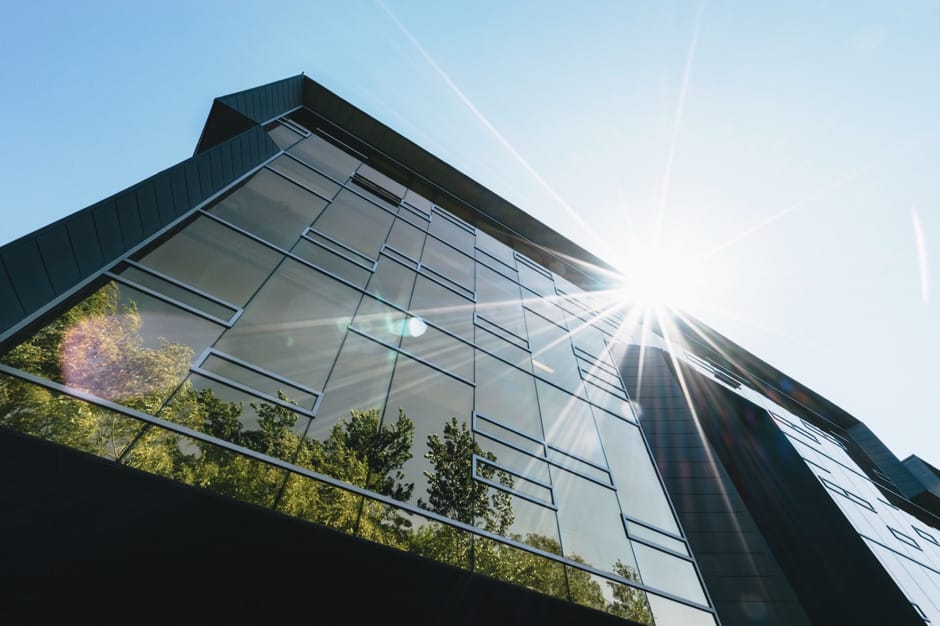
A genuinely sustainable building not only contributes to environmental impact, but also influences a number of social and economic factors such as mental and physical occupant health and resource consumption. Which is why builders and designers are becoming increasingly aware of the advantages behind building green.
Sustainability and health go hand-in-hand. Research has shown that the design of a building can largely impact the health and well-being of its occupants. This is becoming more evident in the architecture and construction industry, and plays a part in determining where and how projects are executed.
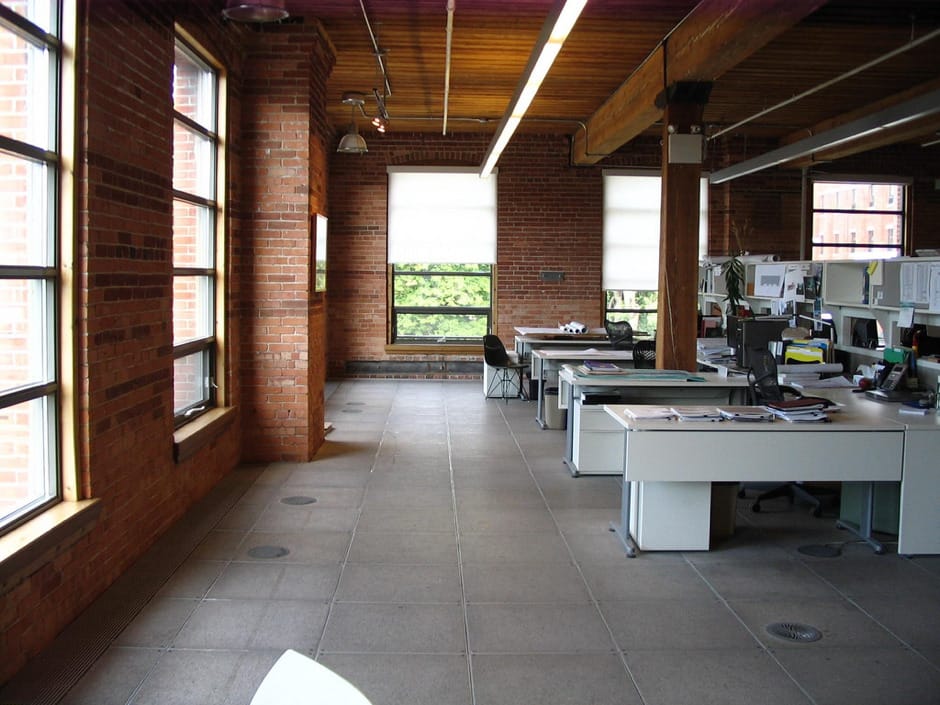
WELL Building Standard (WELL) certifies and monitors features of a project's performance that impact human well-being determined by air, water, nourishment, light, fitness, comfort and mind. The comfort of inhabitants should be paramount when it comes to a structure's planning and development, and this is particularly the case for the companies footing the bill “they want their occupants to be productive, healthy and happy."
WELL's dedication to scientific, evidence-based research and measurable performance is also enhanced by Green Star's focus on quality indoor environments. Buildings obtaining the seal of approval from these reputable sources are often considered more valuable and the desired choice for building owners “with lower ongoing operational costs due to a high standard of energy efficiency, growth in asset value over time, and a maintained level of occupant health and performance.
Ventilation plays a pivotal role in ensuring a building meets the requirements for WELL certification, with air quality considered the most fundamental component of good health. WELL's Air Quality Standard pertains to a number of elements including air filtration levels, ventilation effectiveness, volatile organic compounds (VOC) reductions, and microbe and mould control."
The traditional methods of exhausting heat or fumes from a building is; mechanical ventilation, which can most often be very costly to run. Or turbine ventilation which, despite having a low ongoing cost, has a performance dependent on natural conditions such as wind.
Bradford Ventilation' EcoPower® ventilation system is the winner of MENA Green Building Awards Green Product of the Year: Indoor Air Quality. In mechanical mode, this hybrid unit's flow rates are boosted 3 to 5 times higher than what is achieved via natural ventilation. Not only does the unit harness natural ventilation, but operational costs are up to 80% lower than equivalent traditional mechanical ventilators saving on energy consumption and cost.
Effective ventilation is crucial in attaining a sufficient WELL rating, as well as improving air quality and thermal comfort, to ensure the health and well-being of those within a building. Not only this, but opting for sustainable building materials can add value to a project, increase profitability over time and enhance appeal to potential building owners.