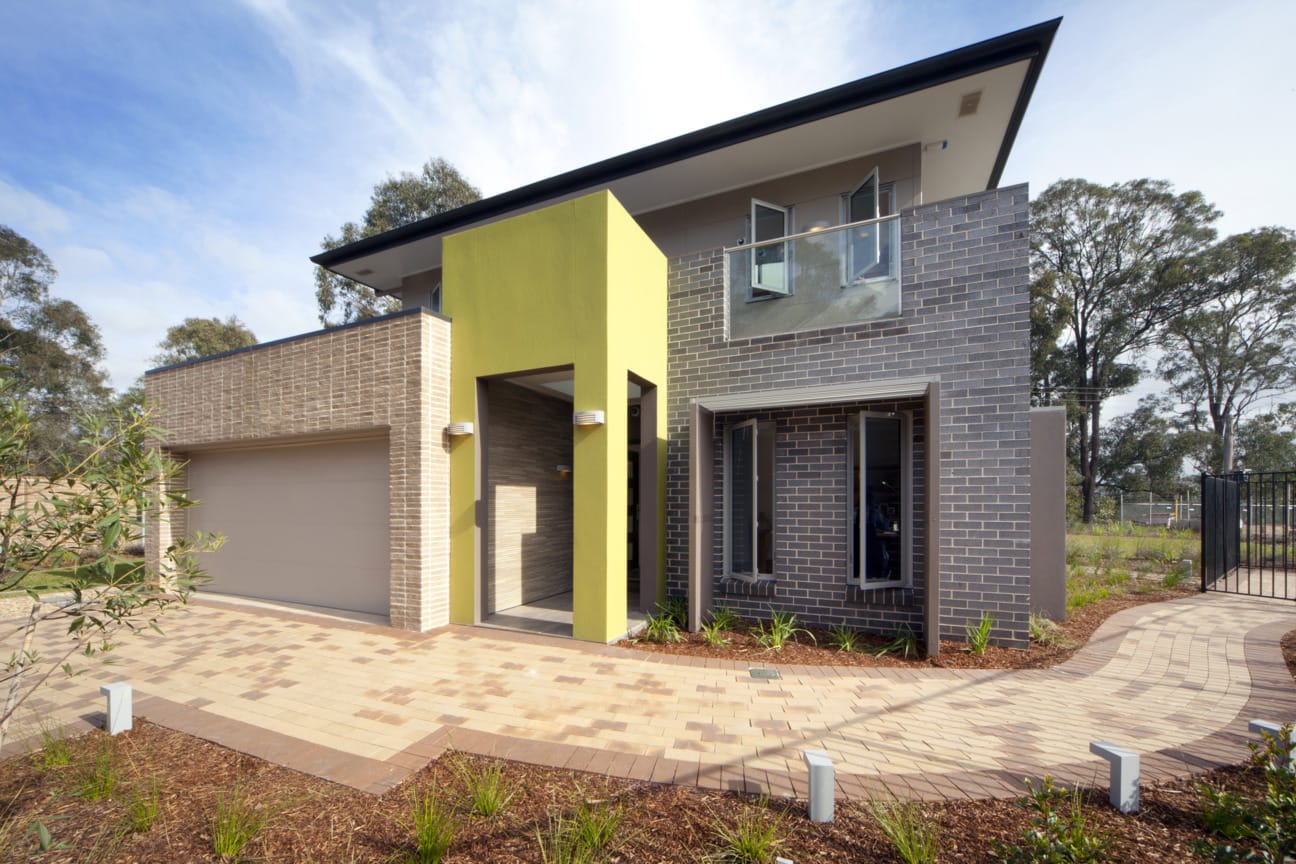
A basic understanding of thermal mass and how heat, air and moisture operate in our climate will mean less temperature shock in our homes.
A sunny blue sky on a crisp, frosty morning is a familiar winter scene in Australia, vividly reflecting the dilemma posed by the extremes in our climate.
From near-freezing winter conditions, to roasting heat in the summer: how can we make buildings so that they provide perfect, energy-efficient interior temperatures all year round in Australia?
As CSR has discovered, the answer lies in understanding thermal mass, insulation, glazing, shading and ventilation while incorporating them effectively into the design and construction of quality buildings.
In combination, each of these features enable us to cope with our climate making the best use of heat, air and moisture (HAM).
At CSR House, one of Australia's leading research facilities, in Schofields, western Sydney, valuable insights are being gained on how buildings respond to varying conditions while providing comfort to their occupants.
On most winter mornings in Schofields the ambient temperature drops to below 2°C; the external brick wall of CSR House would typically record 5°C at 6:30am. However, the internal wall surfaces and concrete slab only drop to 17°C; and with the heating system turned off the minimum air temperature inside remains at 16°C. Try this in most new homes and it's likely to be closer to a brisk 8-10°C.
This and other tests conducted on the structure of CSR House demonstrate how insulation, thermal mass, glazing and controlled ventilation play such a vital role in maintaining comfort within.
There are well established concepts in the building science community that govern the performance of thermally-efficient, low-energy buildings.
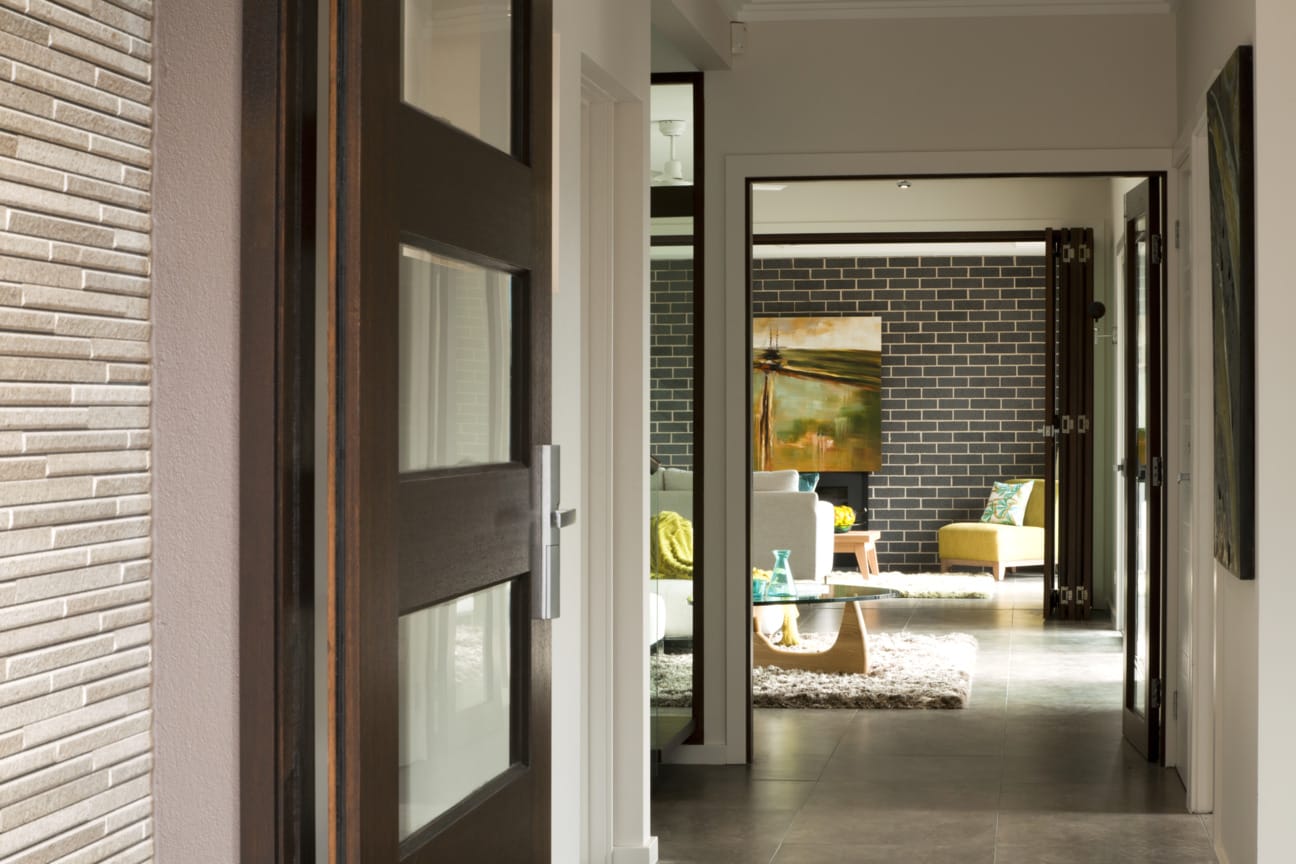
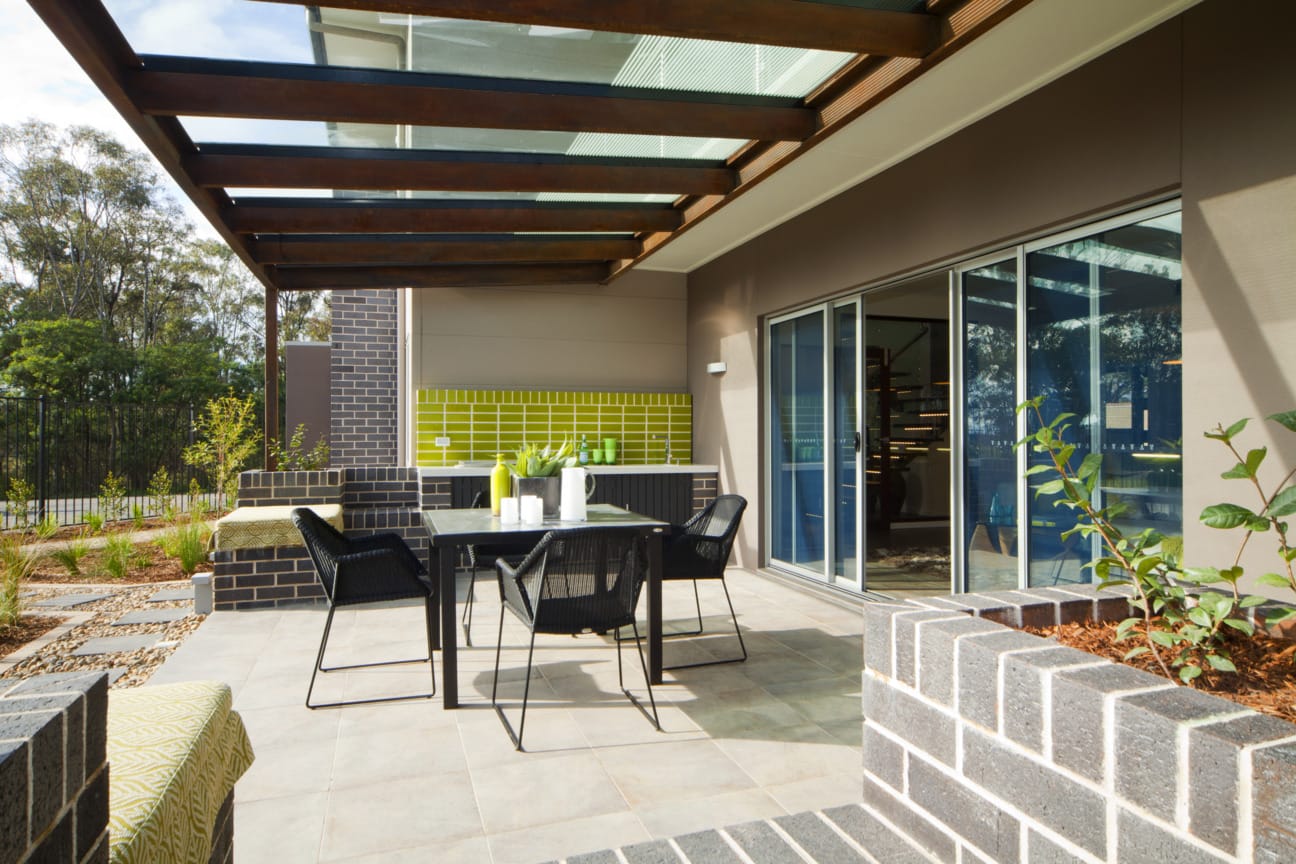
What we learned from CSR House
At CSR House, several design and construction principles relating to heat, airflow and moisture nminus; were confirmed during post construction testing to provide high levels of efficiency and performance. Unfortunately these key principles are too often absent from the design processes and construction techniques used in Australia:
Heat
While managing the transfer of heat through the whole building envelope is understood theoretically, installation practices for insulation certainly need to be better managed to ensure consistent coverage. Services trades often overlook the importance and consider insulation a nuisance, removing, dislodging, or squashing it (reducing its ability to limit heat-loss).
Regardless of climate, windows also need to resist heat flow, the lower the U value the better. Australian homes should have Low E glazing as a minimum standard to help reflect heat energy (retain heat in winter, repel heat in summer).
Airflow
Inside air leaks around window frames, construction joints, wall penetrations and many other locations. Uncontrollable ventilation can strip heat from a home in winter, while allowing it to overheat in summer thereby increasing reliance on heating and cooling systems.
With few air leaks, controllable ventilation helps maintain stable internal temperatures, while allowing occupants to open windows and doors to aerate the house for moisture management or to capture a pleasant breeze.
In winter, when homes tend to be more confined, controllable ventilation can alleviate a stuffy indoor environment.
Moisture
To control moisture careful consideration must be given to how heat and air travel through the building envelope. If humid air is allowed to pass freely between living spaces and construction cavities, airborne water vapour can condense on cold surfaces. To help reduce the risk of condensation double glazed windows will assist by separating cold surface temperatures from warmer humid air.
Additionally, good design and application of insulation and thermal mass will moderate internal temperatures by averaging day/night (diurnal) extremes.
The Impact Thermal Mass
Poor use of thermal mass can compound the worst extremes of the climate and can be a huge energy and comfort liability. It can radiate heat all night during a summer heatwave, or absorb all the heat during a winter night.
In all wall systems, if the temperature of the internal skin remains stable, then thermal comfort is more easily achieved. When sufficient insulation is installed between the internal and external skins, the conditions found on either side of the insulation become increasingly more independent of one another.
Greater levels of internal comfort and efficiency can be achieved once a building incorporates suitable levels of insulation with appropriate placement of thermal mass, glazing and shading.
This must be coupled with construction practices that reflect the intent of the building design and permit the materials installed to do their job correctly.
CSR's tips for better thermal efficient construction
- The thermal performance claimed on product packaging assumes no gaps in bulk insulation. Often insulation gets removed or shifted for services and not replaced, severely reducing the effectiveness of insulation.
- Reflective foil products achieve system R-values based on the assumption there is an air gap with no airflow across the reflective surface. All joints must therefore be fully taped and penetrations sealed with impermeable adhesive patches.
- Light weight construction with good insulation can deliver just as good performance as a home with well-placed thermal mass, in areas of great shade and cool climates, light weight may outperform high mass.
- Eighty per cent of energy lost through a slab will be lost through conduction from its edge. This is significant in colder climates, such as Tasmania, Victoria, ACT and Alpine regions, where slab-edge insulation is required.
- Air often leaks around architraves and reveals, including between window frames and building framework to which windows are fixed. Closing these gaps reduces energy leaks and improves acoustics.
- Timber flooring and skirting boards with gaps can have a huge impact on the ability to hold warm and cool air in the living space. Air leakage around an air-conditioning diffuser or extractor fan (even with a damper) can compound energy losses from a building.