Why cool weather is worse than hot Australia's death rate due to cold weather almost doubles that of Sweden due to poor building quality.
An international study, funded by the UK Medical Research Council, analysed increases in death rates due to variations in temperature across 13 countries over a 27 year period. The study's findings were published in July 2015 the Australian Medical journal "The Lancet". The study included Australia, Brazil, Canada, China, Italy, Japan, South Korea, Spain, Sweden, Taiwan, UK and USA.
While results varied between countries, a common finding that surprised researchers was that extreme temperatures did not impact death rates as much as moderately cold and warm temperatures. In total, 7.71% of all mortalities were attributed to non-optimal temperatures. Heat stroke on hot days and hypothermia on cold days were found to have contributed to a small proportion (0.86%) of these deaths. The balance (6.85%) were attributed to mildly cold or warm weather causing an increase in respiratory and cardio-vascular disease responses, such as pneumonia and/or high blood pressure and myriad other related illnesses.
Professor Adrian Barnett, a researcher based at the Queensland University of Technology, has studied death rates associated with abnormal weather conditions plus occupant access to heating and cooling, and has established a link to the quality of housing in Australia and a corresponding increase in death rates during cold spells.
Swedish homes are designed and built to stay comfortable during all weather conditions, whereas comfort in Australian homes is often an afterthought, usually covered by an oversized air conditioner which continually battles poorly insulated walls, leaky doors and windows. Australian homes are referred to as "glorified tents" due to this phenomenon, which particularly affects less affluent homeowners and of course, renters.
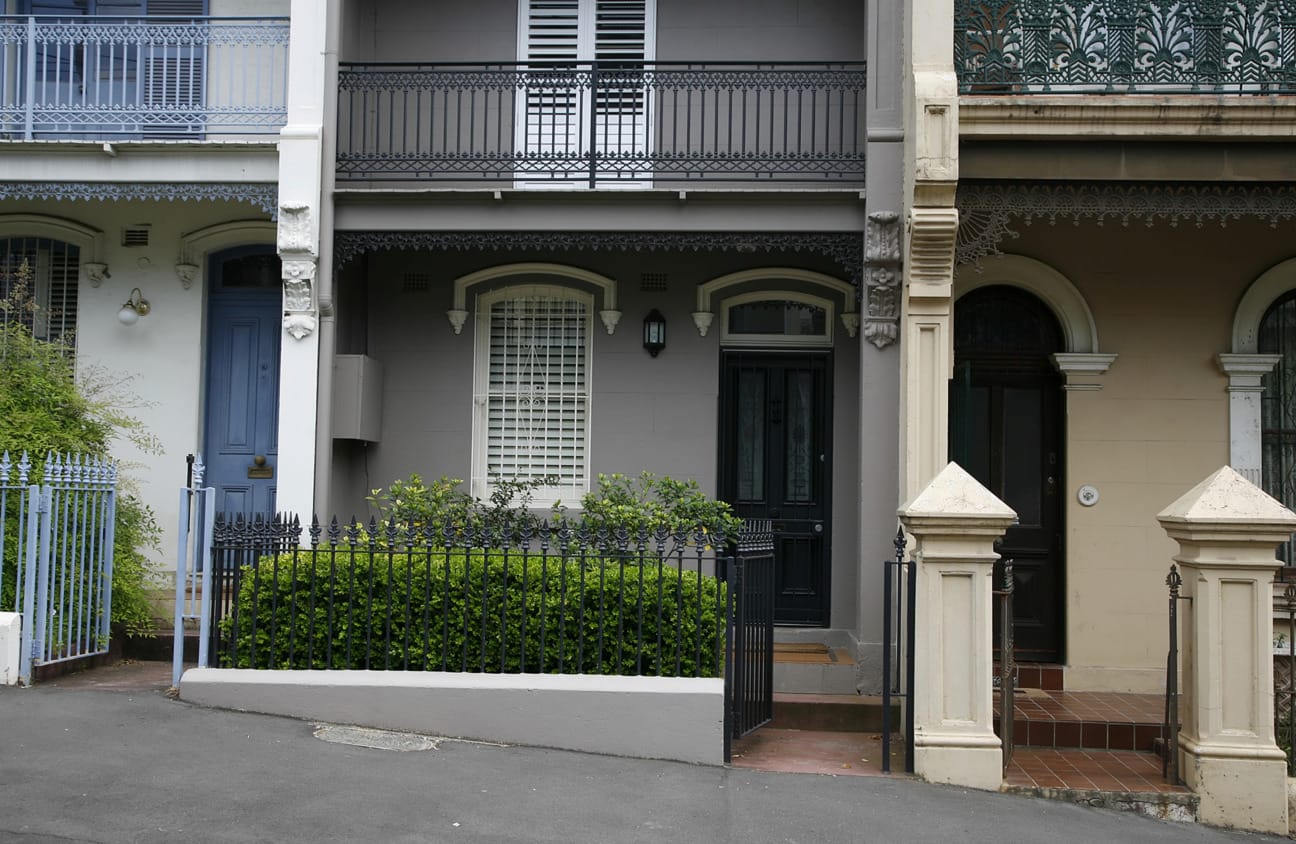
The internal temperatures of Federation or Queenslander style homes in winter often drop well below 17°C, while Swedish homes usually remain at a stable 22-23°C whatever the weather. According to Barnett, "Many Australian homes are just glorified tents and we expose ourselves to far colder temperatures than the Scandinavians do."
In the Energy + Illawarra program the University of Wollongong's Sustainable Buildings Research Centre team recently identified surprisingly cold living conditions in 158 households across the Illawarra, Shoalhaven and Wingecarribee regions of NSW. Researchers found that approximately half of all households studied were experiencing extended periods (>25% of the time) when the living room temperatures were well below 16°C. In fact some houses did not exceed 14°C throughout a number of days, some occupants reported being too anxious to turn heating on due to the cost of energy and 'bill anxiety'.
CSR's Building Knowledge series has previously written about European and North American expat experiences when they first move to Australia and how even the mild climates of Sydney and Brisbane winters can be intolerable. Many of us (this author included) have personally experienced homes with condensation running down internal walls and the carpet lifting when a breeze blew.
The causes of this are commonly lack or absence of suitable insulation and leaky buildings allowing draughts to purge the internal air in a building. The Australian Government suggests 60% to 85% of all heat loss is due to inadequate wall and ceiling insulation and air leakage within a home.
Energy poverty also dictates that poorer people are more vulnerable to these hazards, as heating their largely uninsulated homes becomes more expensive and inefficient while they are forced to make choices that adversely affect their health.
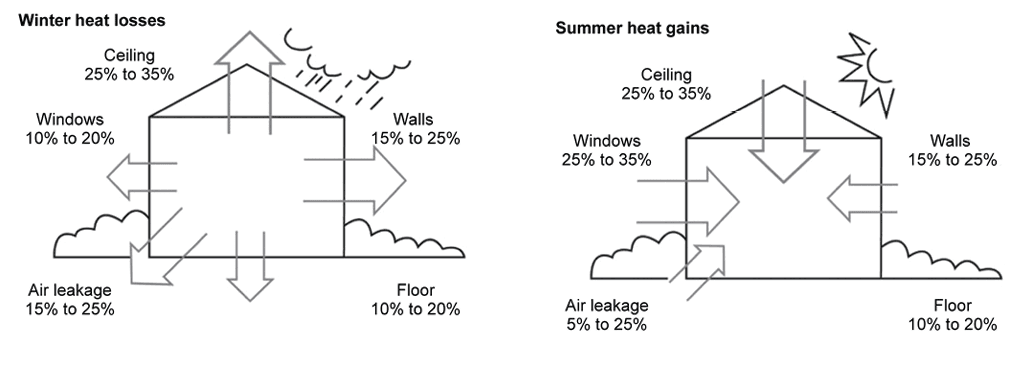
Constant exposure of a building to low temperatures often results in mould caused by condensation, leading to more frequent illnesses and an increased likelihood of a shorter life expectancy.
Staying comfortable is an important part of cardiovascular health and preventing allergies which have a terrible impact on our wellness throughout the nation.
As the weather finally cools we should take note of the conditions our aged and frail relatives are faced with each day.
It is clear that insulating and efficiently heating a home helps lower blood pressure and reduce risk of life threatening illnesses, and that's not even including the bill shock from your energy company around September.
Not only should we be building healthier new buildings, further work to affordably improve the comfort and liveability of existing buildings in Australia is necessary to enhance our health and wellbeing as we age.
Part of this approach should be to reduce the volume of air leaking into and out of a building through cracks and joints in the construction.
Through simple techniques in new construction (see sidebar), as much as 70% of excess air leakage can be eliminated, dramatically improving the ability of a home to retain warmth in winter, while still maintaining suitable levels of fresh air.
Similar approaches can be applied to existing buildings too with focus on doors and windows.