R-value contribution of membranes versus reflective sarking
Like most sarking membranes, the Enviroseal™ membranes are thin materials that do not contribute any material R-value to the construction. Reflective foil laminate materials that promote an R-Value, rely upon a still air cavity (an air void in the structural building frame) to create an 'R-Value' that relates to the specific thickness of the air gap as part of the total wall or ceiling system.
Where the frame is filled with bulk insulation and there is no air gap between the sarking and the insulation it should be noted that there is no opportunity for either reflective sarking or vapour permeable membrane to contribute a reflective space R-Value.
In walls where light weight cladding is directly fixed to the frame or where a single sided reflective foil laminate is used there is no difference in R-Value whether using a reflective sarking or non-reflective membrane such as Enviroseal®. The same applies when the frame is filled with bulk insulation, as there is no loss in R-Value in comparison with an assembly using a reflective foil sarking in the same location.
Ventilation of roof spaces is part of the condensation solution
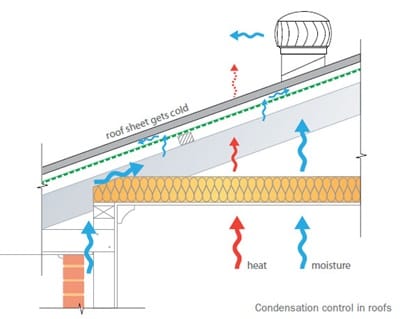
Whilst vapour permeable membranes provide a path for the transfer of moisture, buildings must be adequately ventilated in order to allow effective carriage of the moist air from inside the structure to outside.
The type and location of ventilation can be a complex issue requiring consideration of both the ventilation of the interior space and building cavities.
Interior Ventilation
Occupant comfort is a key consideration for interior ventilation and the level of interior ventilation can influence the relative humidity of the interior environment.
Without specific ventilation to manage this humidity inside the building, the water vapour generated as a result is then likely to enter the building envelope through the various gaps and leaks in the building structure.

Building Cavity Ventilation
Wall and ceiling cavities into which humid, moist air from the interior leaks into then become the most likely areas within the building structure where condensation will form.
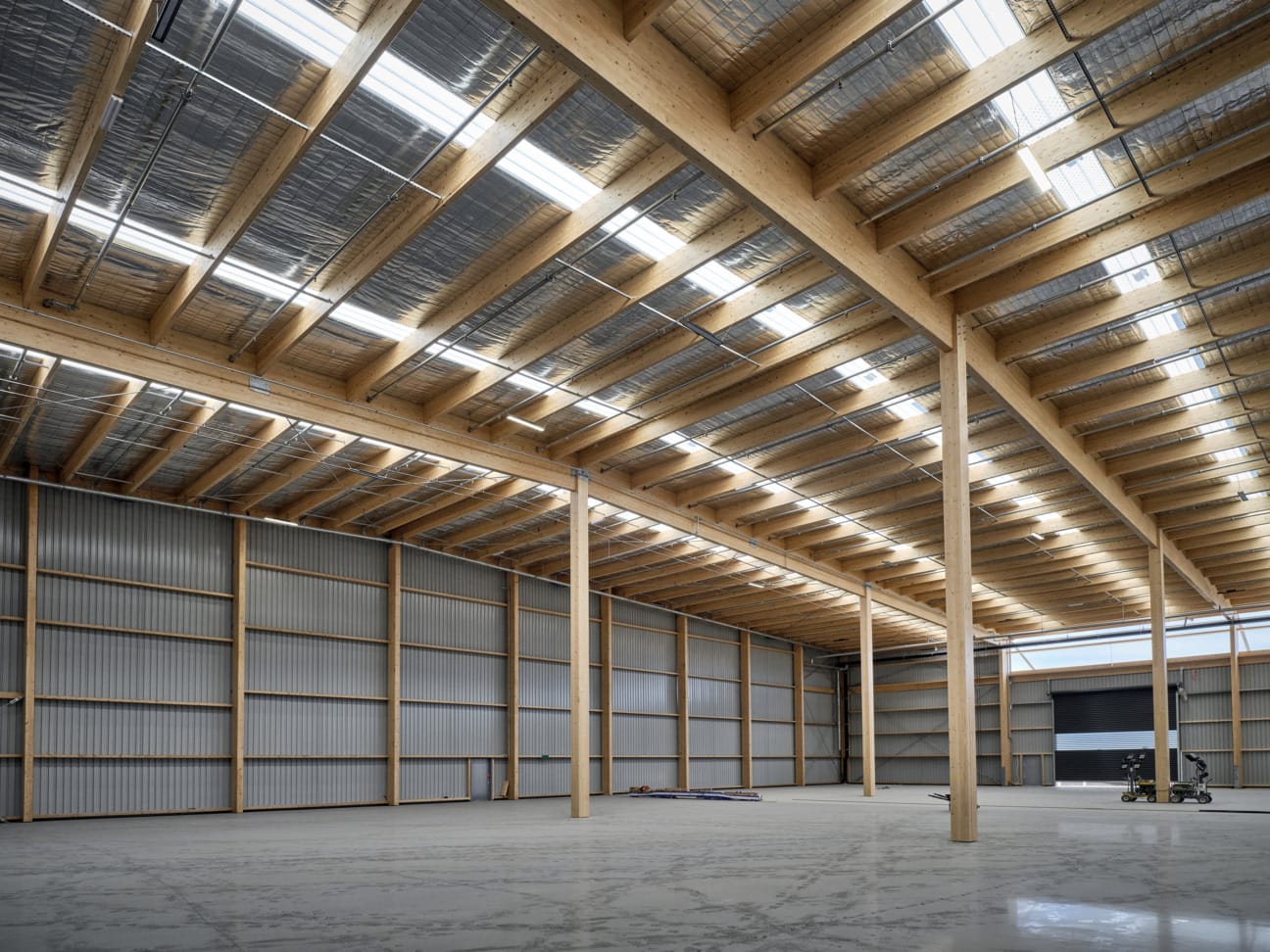
Natural and mechanical ventilation within wall cavities and the roof space can reduce condensation risk and aid in the drying of any moisture that potentially does form.
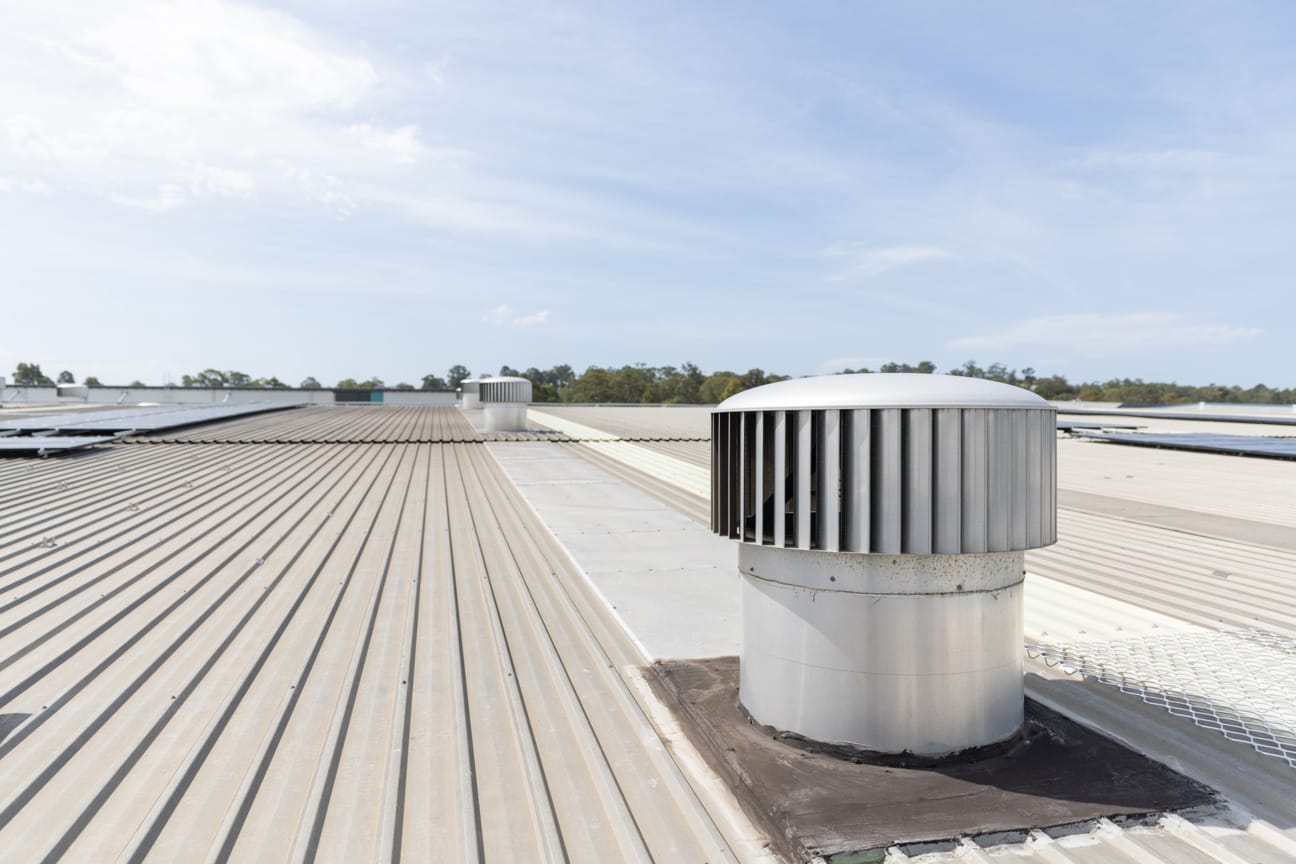
To assist in condensation control in ceiling cavities, CSR Bradford recommend the use of Windmaster or SupaVent, natural wind powered ventilators for residential applications and natural powered Hurricane or hybrid powered ecopower ventilators for commercial applications.
Wall cavity ventilation can be effectively managed by battening the external cladding away from the building structure which provides a drainage and drying passage for any condensation that does form on the outside of the vapour permeable membrane.